


Acrylic Pour Art: A Beginner’s Guide to Fluid Painting Magic
Acrylic Pour Art: A Beginner’s Guide to Fluid Painting Magic
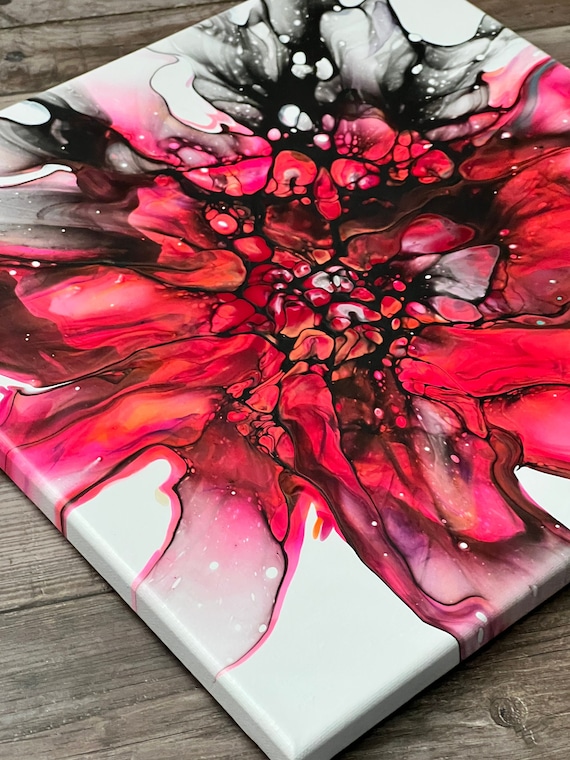

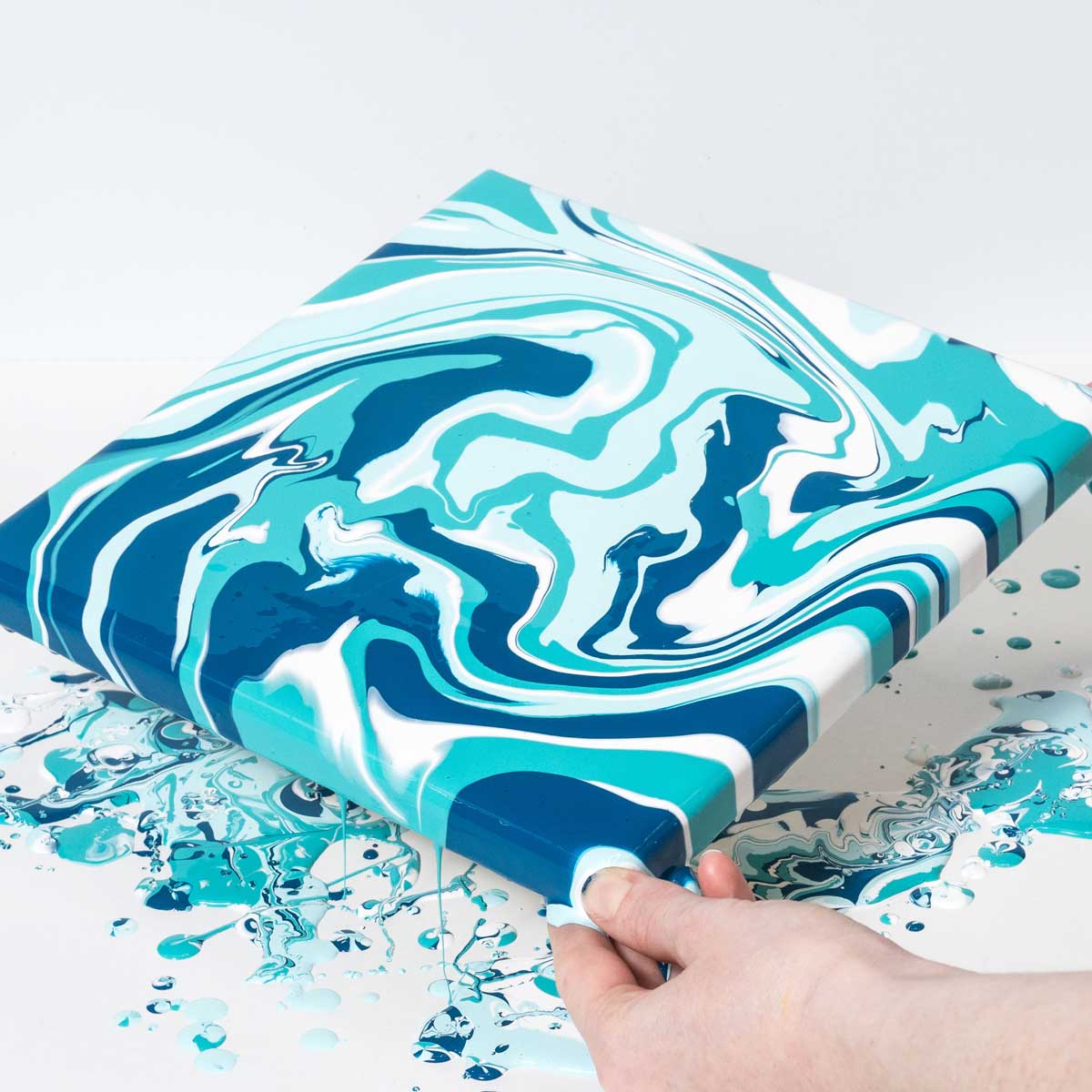
Acrylic Pour Art has become one of the most exciting and accessible forms of modern abstract painting. Known for its fluid movement, vibrant color blending, and mesmerizing “cell” patterns, this technique allows artists of all skill levels to create stunning, one-of-a-kind artwork.
Whether you are a beginner exploring creative hobbies or an experienced artist looking to experiment with new techniques, acrylic pour painting offers endless possibilities.
What Is Acrylic Pour Art?
Acrylic Pour Art, also known as fluid art, is a painting technique where acrylic paint is mixed with a pouring medium and then poured onto a canvas. Instead of using brushes, artists manipulate the paint by tilting, layering, or swiping the canvas to create organic patterns.
The result? Beautiful abstract designs filled with movement, depth, and texture.
Why Acrylic Pour Painting Is So Popular
Acrylic pouring has gained massive popularity for several reasons:
-
No advanced drawing skills required
-
Relaxing and therapeutic creative process
-
Unique results every time
-
Endless color combinations
-
Perfect for home décor and DIY gifts
This art style is especially appealing because every piece is completely original.
Essential Supplies for Acrylic Pour Art
To get started with acrylic pouring, you’ll need a few basic materials:
1. Acrylic Paint
Choose high-quality acrylic paints for vibrant colors and better flow.
2. Pouring Medium
A pouring medium thins the paint without reducing pigment strength. It helps create smooth, flowing designs.
3. Canvas or Painting Surface
Stretched canvas works best, but wood panels and tiles are also great options.
4. Mixing Cups and Sticks
You’ll need separate cups to mix your paint and medium before pouring.
5. Protective Covering
Fluid art can get messy—cover your workspace with plastic sheets or paper.
Popular Acrylic Pour Techniques
Dirty Pour
Multiple paint colors are layered into one cup and poured onto the canvas at once.
Flip Cup
The paint-filled cup is flipped upside down onto the canvas before lifting to reveal flowing patterns.
Swipe Technique
A tool is used to swipe paint across the surface, often creating dramatic “cells.”
Puddle Pour
Individual colors are poured in puddles that spread and interact naturally.
Each technique produces different visual effects, making experimentation part of the fun.
Tips for Creating Stunning Acrylic Pour Art
-
Mix paint to a smooth, honey-like consistency
-
Avoid over-tilting to prevent muddy colors
-
Use complementary color palettes
-
Allow 24–72 hours for proper drying
-
Seal finished artwork with varnish for protection
Practice improves control, but remember—fluid art thrives on unpredictability.
Is Acrylic Pour Art Beginner-Friendly?
Absolutely. Acrylic pouring is one of the easiest painting styles for beginners because it focuses on color flow rather than precise brushwork. It’s also an excellent stress-relief activity that encourages creativity without pressure.
Final Thoughts
Acrylic Pour Art is more than a trend—it’s a captivating way to explore creativity through color and motion. With simple tools and an open mind, you can create gallery-worthy abstract art at home.
Whether you’re decorating your space, starting a creative hobby, or selling handmade artwork, acrylic pouring offers limitless inspiration.
Start pouring, start experimenting, and let the colors flow.
SEO Meta Title:
Acrylic Pour Art Guide: Techniques, Tips & Beginner Essentials
Meta Description:
Discover everything about Acrylic Pour Art, from essential supplies to popular techniques. Learn how to create stunning fluid paintings at home with this beginner-friendly guide.