


Watercolor Essentials: A Complete Guide to Getting Started with Watercolor Painting
Watercolor Essentials: A Complete Guide to Getting Started with Watercolor Painting


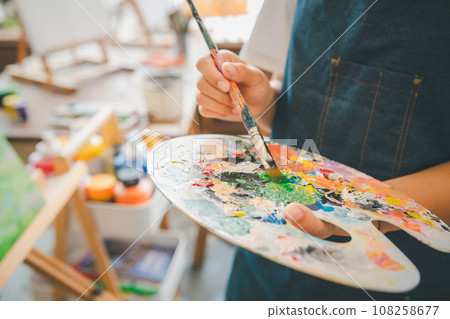
Watercolor painting is one of the most expressive and versatile art forms. Whether you’re a beginner exploring creative hobbies or an experienced artist refining your technique, having the right watercolor essentials makes all the difference.
From quality paper to professional-grade pigments, choosing the proper materials helps you achieve vibrant colors, smooth blends, and beautiful transparency.
What Are Watercolor Essentials?
Watercolor essentials refer to the fundamental tools and supplies needed to create watercolor artwork. These materials support better control, color vibrancy, and overall painting performance.
Having reliable supplies ensures that your creativity flows without frustration.
Must-Have Watercolor Supplies
1. Watercolor Paints
Choose between student-grade and professional-grade paints. Professional paints offer richer pigments and better lightfastness, while student sets are great for practice and beginners.
You can select:
-
Tube watercolors
-
Pan watercolors
-
Liquid watercolor
2. Quality Watercolor Paper
Paper is one of the most important watercolor essentials. Look for:
-
100% cotton paper
-
Cold-pressed (most versatile)
-
Hot-pressed (smooth surface)
-
Rough texture (for expressive work)
Heavyweight paper (300gsm/140lb) prevents warping.
3. Watercolor Brushes
Essential brush types include:
-
Round brushes (for detail and general use)
-
Flat brushes (for washes and bold strokes)
-
Detail brushes (for fine lines)
Synthetic brushes are affordable and durable, while natural hair brushes hold more water.
4. Palette and Water Container
A mixing palette allows smooth color blending. Use two water containers — one for rinsing and one for clean water.
5. Masking Tape and Board
Securing your paper prevents buckling and keeps edges clean.
Why Quality Watercolor Essentials Matter
Better Color Control
High-quality pigments blend smoothly and maintain transparency.
Improved Paper Performance
Cotton paper absorbs water evenly, reducing unwanted streaks or damage.
Professional Results
The right tools allow you to experiment confidently with layering, glazing, and wet-on-wet techniques.
Beginner Tips for Watercolor Success
-
Start with a limited color palette
-
Practice water control techniques
-
Layer gradually for depth
-
Allow each layer to dry before adding detail
-
Experiment with textures and brush strokes
Watercolor is about patience and understanding how water interacts with pigment.
Popular Watercolor Techniques
-
Wet-on-wet blending
-
Wet-on-dry detailing
-
Gradient washes
-
Dry brush texture
-
Color lifting
Mastering these techniques enhances your creative possibilities.
Final Thoughts
Investing in the right watercolor essentials sets the foundation for artistic growth. With quality paints, durable paper, and versatile brushes, you can create expressive artwork filled with depth and vibrancy.
Whether painting landscapes, portraits, florals, or abstract designs, proper watercolor supplies empower you to bring your imagination to life.